
The Impact of Weather on Outdoor Construction Projects
Weather can play a significant role in outdoor projects like patio installations. Understanding how weather conditions impact these projects is crucial for both homeowners and contractors. When planning, it’s essential to consider factors such as rain, temperature changes, and wind. These elements can affect materials and timelines. This discussion will explore how different weather patterns influence the patio installation process and what measures can be taken to address these challenges.
Rain and Its Effects on Construction
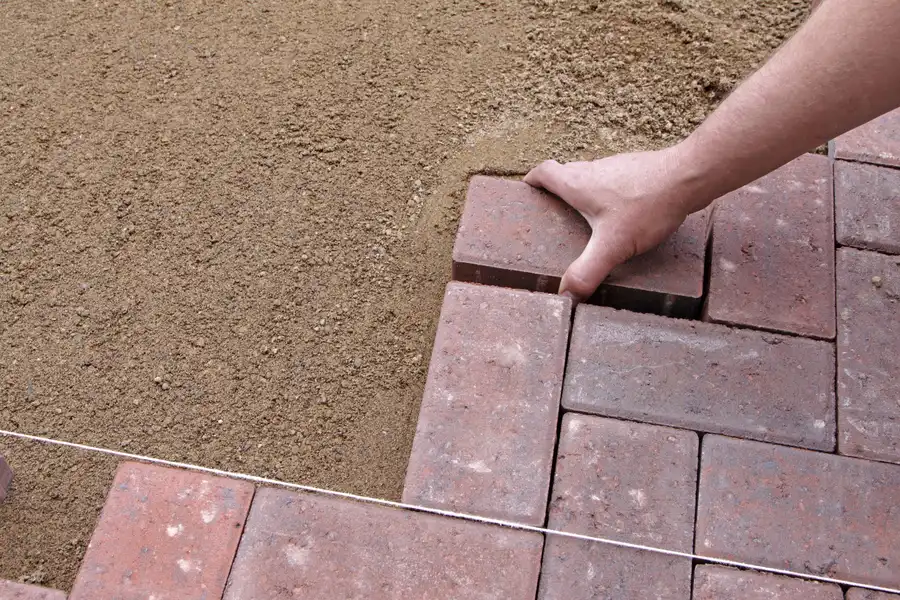
Rain is one of the most disruptive factors in patio installation. Water can seep into construction materials, causing them to swell or warp. Additionally, wet surfaces can make laying stones or bricks difficult, leading to uneven surfaces. To overcome this challenge, experts recommend postponing work until surfaces are dry. Using protective covers during light showers can help keep materials dry and mitigate delays.
Temperature Fluctuations and Material Concerns
Materials used in patio installation, such as concrete and stone, are sensitive to temperature changes. Extreme heat can cause materials to expand, while cold weather might lead to contraction or cracking. It’s vital to select materials suited for your area’s climate. Installing patios during moderate weather conditions ensures stability and longevity.
The Role of Wind in Outdoor Installations
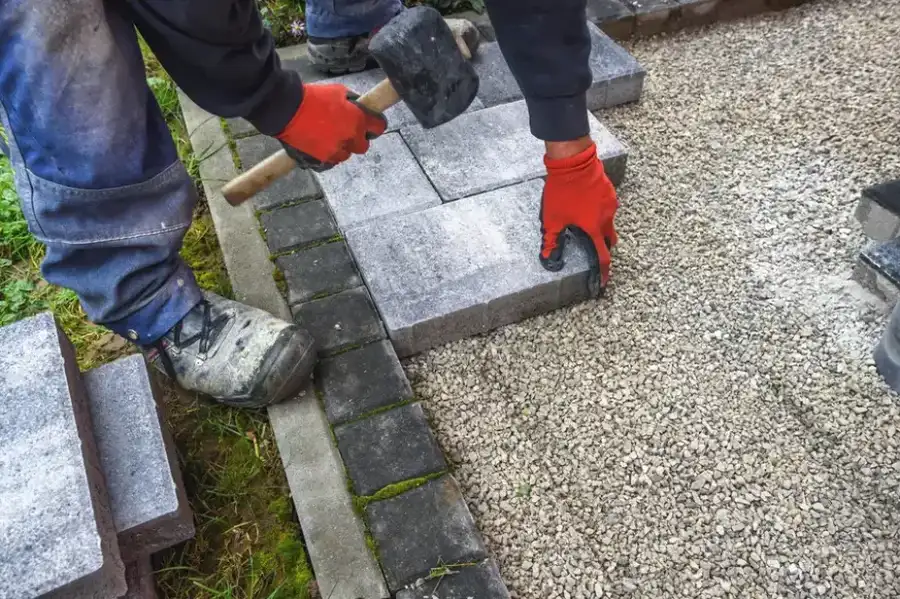
Windy conditions pose unique challenges in patio installation. Strong winds can scatter tools and disrupt precise measurements. They may also blow dust onto freshly laid surfaces, affecting the finish quality. To counter these issues, secure all loose items and use wind barriers where possible. Adjusting project timelines to avoid windy days helps maintain progress without compromising quality.
Humidity Levels and Their Impact
High humidity levels can affect drying times for certain materials like mortar and grout. Excess moisture can prevent proper setting, which weakens structural integrity. Contractors often check humidity forecasts before scheduling work to ensure optimal conditions for curing processes. In regions with high humidity, using quick-dry additives provides better results.
Seasonal Considerations for Project Planning
Choosing the right season for patio installation is essential for minimizing weather-related issues. Spring and fall offer milder temperatures and less precipitation in many areas, making them ideal seasons for construction projects. During these periods, materials perform well, and laborers face fewer environmental challenges.
- Avoid peak summer heat to prevent material expansion.
- Steer clear of winter due to potential frost issues.
- Monitor local weather forecasts for rain predictions.
Strategies for Efficient Project Management
Effective project management includes monitoring weather forecasts and adjusting plans accordingly. Contractors should have contingency plans for unexpected weather changes, such as pre-arranged rescheduling options with clients. Employing temporary shelters and utilizing technology like moisture meters ensures that installation proceeds smoothly despite minor disruptions.
Final Thoughts on Weather-Related Challenges
Successfully navigating the challenges posed by weather requires flexibility and foresight. By understanding how different conditions affect materials and timelines, homeowners and contractors can work together to develop effective strategies. With careful planning and execution, achieving a durable and aesthetically pleasing patio becomes feasible.
Your Partner in Reliable Outdoor Solutions
Are you looking for expert guidance on handling weather-related challenges? Our team at Mendez Hardscaping is here to assist you with all your outdoor project needs. Based in Johnson City, TN, we specialize in providing tailored solutions that withstand various weather conditions. Reach out to us today at (423) 381-6540 for more information about our services.